What to Check Before You Register for a Race
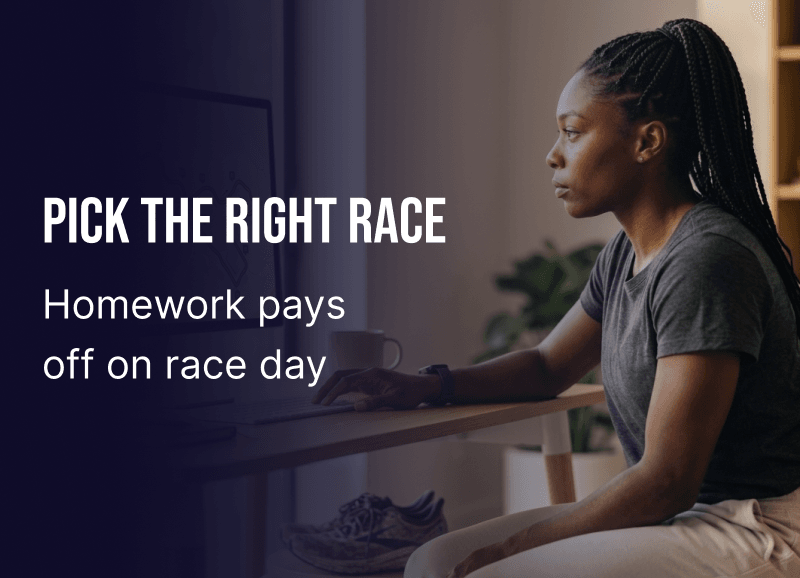
Race registration feels easy. You see a cool city, a friend sends you a link, there's an early bird discount expiring tomorrow, and suddenly you've dropped $150 on a marathon six months from now without really thinking it through.
The runners who consistently have great race experiences aren't the ones who register on a whim. They're the ones who know what they want and have done their homework before they hit the button.
Registration is harder than it looks
Getting into the races you actually want to run is harder than most people expect. Popular races fill up fast, sometimes within hours of opening. The bigger city marathons, the ones with good reputations and strong fields, often sell out months before race day or move to a lottery system entirely.
If you have a specific race on your list, the worst thing you can do is wait until you feel ready to register. By the time you've decided you want to run it, it might already be gone. The smarter approach is to research the races you want well in advance, get on mailing lists, and be ready when registration opens. For lottery races, enter early and have a backup in mind.
Know what you want to run. Then make sure you can actually get in.
What the race website won't tell you
Every race website is a marketing page. The photos are from the best weather year. The course description emphasizes the scenic sections, not the exposed highway miles. It's not dishonest. But it's incomplete.
A few things worth checking that don't get highlighted. Cancellation and deferral policies vary wildly. Some races offer full refunds up to a certain date, some offer deferral to the following year, and some offer nothing. If there's any chance your life could change in the next six months, read the fine print before you pay.
The entry fee is also not the total cost. Registration might be $120 but a destination marathon can easily run $1,500 by the time you factor in travel, hotel, and everything else. Worth being honest about that upfront.
And if it's a large race, check how wave and corral assignment works. If you're in a later wave, your whole race morning looks different from what the website implies.
The questions worth asking yourself first
Why this race? If the answer is just that someone you follow ran it, that's probably not enough. What about this specific race fits what you're looking for right now?
Why this distance? If you've never run a marathon and you're signing up for one, genuinely consider whether the half might be the smarter choice this time. There's no shame in that.
Why this date? Does the timing actually work with your training, or are you going to spend four months stressed about being underprepared?
What does success look like? Do you want to race it hard, enjoy the experience, or just finish? Your answer changes which race makes sense.
The cost of choosing poorly
A bad race choice doesn't always mean a bad race. Sometimes you get lucky, the weather cooperates, your body feels good, the crowd carries you. But a bad race choice stacks the odds against you before you've run a single training mile.
The wrong distance means you're training for something that doesn't match your current fitness. The wrong time of year means you're fighting conditions instead of benefiting from them. The wrong course means you're surprised by hills or heat when it's too late to adjust.
And once you've registered and told people about it, it's psychologically hard to back out even when backing out would be the smarter move. You end up forcing a race that was never right for you, and the experience confirms every doubt you had going in.
This is where it gets exciting
Do your homework first. Check the course, the conditions, the timing, the cost, the logistics. Understand what you're signing up for before you sign up for it. Then register with confidence and get excited, because once you've done the work upfront, race day is something to look forward to rather than stress about.
Milo can help with the preparation side of that decision. Before you commit to a date, you can look at where your fitness is trending, whether you have enough runway to build toward the race properly, and whether the timing sets you up to arrive at the start line ready rather than just hopeful.
And once you do sign up, Milo is built for exactly what comes next. Training load, pacing, readiness, recovery, all of it structured around your race date and your fitness right now. That's exactly what we're here for.
The best race you'll ever run probably won't be the one with the best marketing. It'll be the one you chose carefully, prepared for properly, and showed up to ready to go.
Now go find your race.